
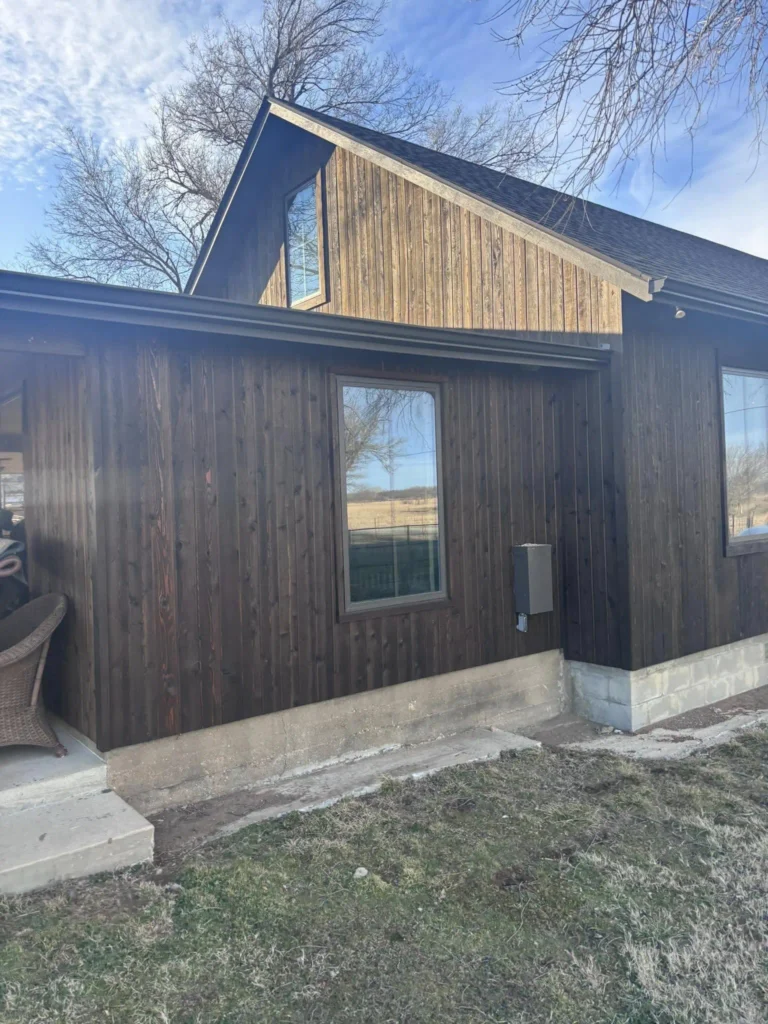
When building or buying a home in Oklahoma, one of the most important structural elements to understand is your foundation type. The foundation supports your entire house, impacts its stability, and influences repair and maintenance decisions over time. Two of the most common foundation types in Oklahoma are pier and beam and slab foundations.
At Rock Famous Foundation Repair, we work extensively with both foundation types throughout Oklahoma, helping homeowners maintain and repair their homes to withstand the local soil and climate conditions. This post will explain the differences between pier and beam and slab foundations, their pros and cons, and what Oklahoma homeowners should know to protect their investment.
What Is a Pier and Beam Foundation?
A pier and beam foundation, sometimes called a crawl space foundation, consists of vertical concrete or wooden piers sunk deep into the ground. These piers support horizontal wooden beams that, in turn, hold up the floor joists and the house structure above.
Key Features of Pier and Beam Foundations
- Elevated structure: The house sits several feet above the ground, creating a crawl space underneath.
- Access to utilities: Plumbing, electrical, and HVAC systems often run under the house, making repairs easier.
- Ventilation: Crawl spaces allow airflow beneath the house, which can help reduce moisture buildup when properly ventilated.
What Is a Slab Foundation?
A slab foundation is a single, thick concrete slab poured directly on the ground. The home sits directly on top of this slab with no crawl space underneath.
Key Features of Slab Foundations
- Concrete base: Provides a solid, continuous surface to support the home.
- No crawl space: Utilities are usually embedded within or run along the slab.
- Low clearance: Offers little to no access beneath the house.
Differences Between Pier and Beam vs. Slab Foundations
| Feature | Pier and Beam | Slab |
| Construction | Vertical piers supporting beams | Single concrete slab |
| Elevation | Elevated with crawl space | Directly on ground |
| Access to utilities | Easier access under home | Utilities embedded in slab |
| Ventilation | Crawl space allows airflow | No ventilation under home |
| Cost | Usually more expensive to build | Generally more affordable |
| Susceptibility to moisture | Crawl spaces can trap moisture if poorly ventilated | Concrete can crack if soil shifts |
| Repair complexity | Repairs can be easier due to access | Repairs often more invasive |
Pros and Cons of Pier and Beam Foundations
Pros
- Better Access for Repairs: With a crawl space beneath, plumbers and electricians can easily access pipes and wiring without breaking concrete.
- Good for Uneven Terrain: Pier and beam foundations can be adapted to sloped or uneven lots.
- Better Insulation: The air space under the house can provide natural insulation and keep the home cooler in summer.
- Easier to Adjust: If settling occurs, piers can sometimes be jacked up or replaced individually to correct problems.
Cons
- Moisture Issues: Poor ventilation or drainage can lead to moisture buildup, mold, and wood rot in crawl spaces.
- Pest Intrusion: Crawl spaces can attract pests such as termites or rodents.
- Higher Construction Cost: Building pier and beam foundations often costs more than slabs.
- Potential Drafts: Airflow beneath the home can cause drafts if the crawl space isn’t properly sealed.
Pros and Cons of Slab Foundations
Pros
- Cost-Effective: Slab foundations are quicker and less expensive to build.
- Less Vulnerable to Pests: No crawl space means fewer hiding places for rodents and insects.
- Energy Efficient: Concrete slabs retain heat, which can help regulate indoor temperatures.
- Low Maintenance: Less space for moisture problems and no crawl space to inspect or ventilate.
Cons
- Limited Access to Utilities: Repairs to plumbing or electrical embedded in the slab can be costly and disruptive.
- Risk of Cracking: Slabs can crack or shift due to soil movement, which is common in Oklahoma’s clay soils.
- Not Ideal for Sloped Lots: Slab foundations require relatively flat terrain.
- Difficult to Repair: Foundation repairs can be invasive, often requiring breaking concrete.
Which Foundation Is Better for Oklahoma Homes?
Oklahoma soil presents unique challenges. The state is known for expansive clay soils that swell with moisture and shrink when dry. These fluctuations can cause foundation movement and damage over time.
- Pier and Beam: Offers some flexibility to accommodate soil shifts and easier repairs when settling occurs. However, proper moisture control in crawl spaces is critical to prevent damage.
- Slab: Is widely used in newer Oklahoma homes due to cost-effectiveness but requires good soil preparation and drainage systems to minimize cracking.
Ultimately, the best foundation depends on your lot, home design, budget, and willingness to maintain the structure.
Foundation Repair Considerations for Pier and Beam vs. Slab
At Rock Famous Foundation Repair, we’ve handled repairs on both foundation types across Oklahoma. Here are some repair considerations for each:
Pier and Beam Repairs
- Sistering or Replacing Beams: When wood joists or beams rot or weaken, they can be reinforced or replaced.
- Pier Jacking: Settled piers can be lifted to level the home.
- Crawl Space Encapsulation: To address moisture problems and protect wooden components.
- Pest Control Measures: Seal crawl spaces to reduce infestations.
Slab Repairs
- Mudjacking or Slabjacking: Pumping grout beneath settled slabs to raise them.
- Pier Installation: Adding piers beneath slabs to stabilize the foundation.
- Crack Repair: Sealing cracks to prevent water intrusion.
- Drainage Improvements: To protect slabs from soil movement caused by water.
Maintenance Tips for Both Foundation Types
- Monitor for Cracks: Inspect walls, floors, and foundation regularly.
- Manage Drainage: Ensure gutters, downspouts, and grading direct water away from your foundation.
- Control Moisture: Use vapor barriers and dehumidifiers in crawl spaces.
- Keep Vegetation Managed: Avoid planting trees or large shrubs too close to your foundation to prevent root damage.
- Schedule Professional Inspections: Early detection of foundation issues prevents costly repairs.
Conclusion: Making the Right Choice for Your Oklahoma Home
Understanding the differences between pier and beam and slab foundations is crucial for Oklahoma homeowners. Each foundation type has advantages and challenges, especially when dealing with the state’s expansive soils and climate.
- Pier and beam foundations provide better access for repairs and adapt well to uneven terrain but require vigilance against moisture and pests.
- Slab foundations offer cost savings and energy efficiency but need excellent site preparation and can be harder to repair.
Whichever foundation your home has, proper maintenance and early intervention at signs of trouble are essential. And if you ever need professional repair, Rock Famous Foundation Repair is here to help Oklahoma homeowners protect their biggest investment.
